Pouch type
Flat Pouches & Sachets
A flat pouch is a sealed bag with no gusset — two panels joined on three sides — so it lies flat rather than standing. Without a base to build in, it uses less material per unit than a stand-up pouch and costs less at the same print quality, which makes it the default for samples, single servings and slim retail packs.
- 3-side seal
- 90 × 130mm
- Tear notch
- Sample size
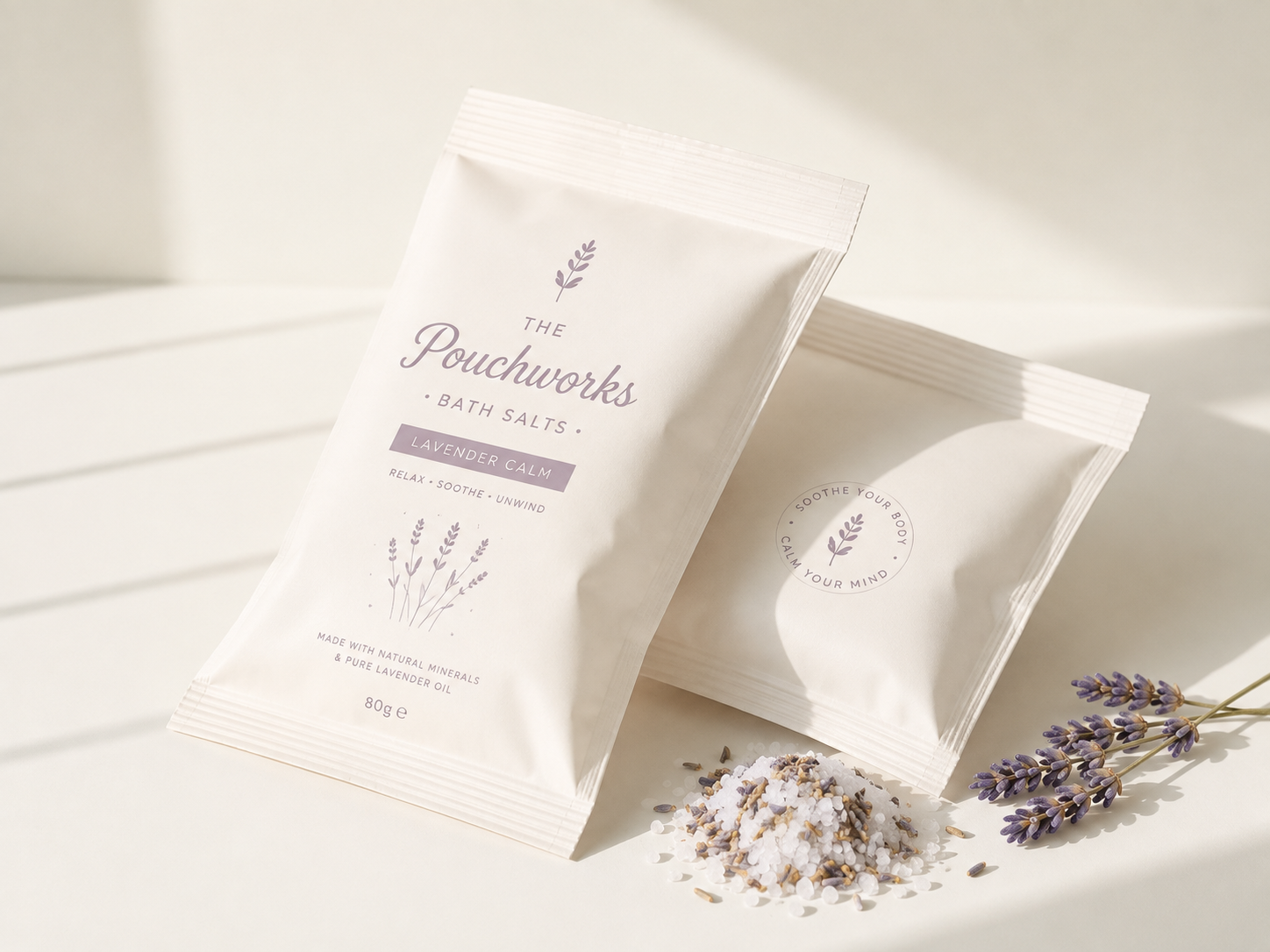
About flat pouches & sachets
Typical sizes run from 60 × 90mm sachets up to 160 × 230mm slim retail packs. Add a tear notch so the pack opens cleanly by hand, a hang hole for peg display, or a resealable zip if the contents are used over several sittings. Flat pouches also post economically inside a standard letter or large-letter envelope, which matters if you sell direct online.
Flat Pouches & Sachets at a glance
| Minimum order quantity | 100 units per design |
|---|---|
| Turnaround | 2–4 weeks from artwork approval |
| Quote turnaround | Within one business day |
| Print method | Digital print, printed in the United Kingdom |
| Typical spec | 3-side seal · 90 × 130mm · Tear notch · Sample size |
| Materials available | Matte White Pouches, Clear Film Pouches, Kraft Paper Pouches |
| Artwork format | Print-ready PDF or AI, CMYK, 3mm bleed |
Best for
- Sample and trial sizes sent through the post
- Single-serve portions — coffee drip bags, sachets, face masks
- Slim retail packs where shelf space is tight
- Lowest cost per unit at a given print quality
Materials that suit this format
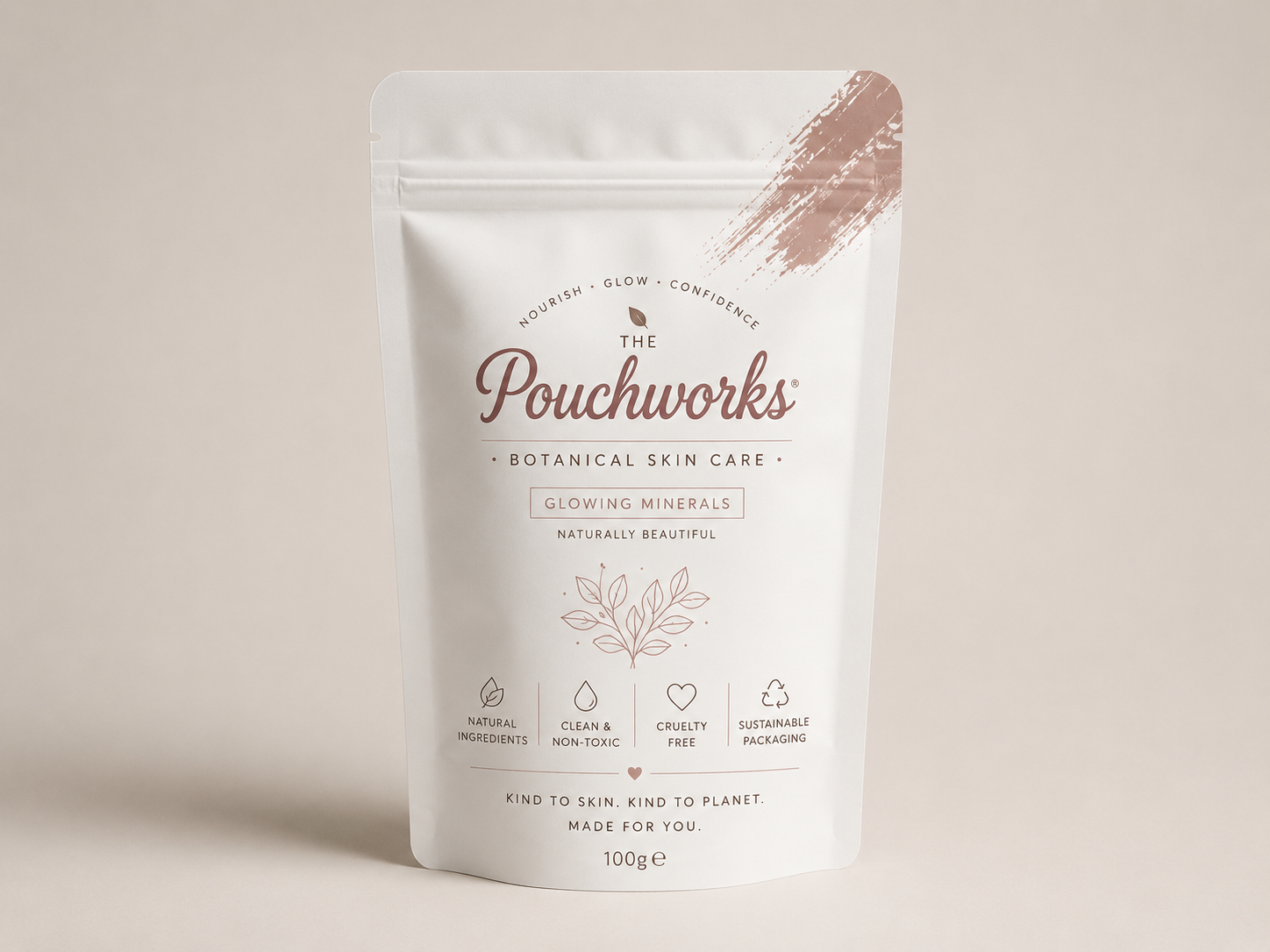
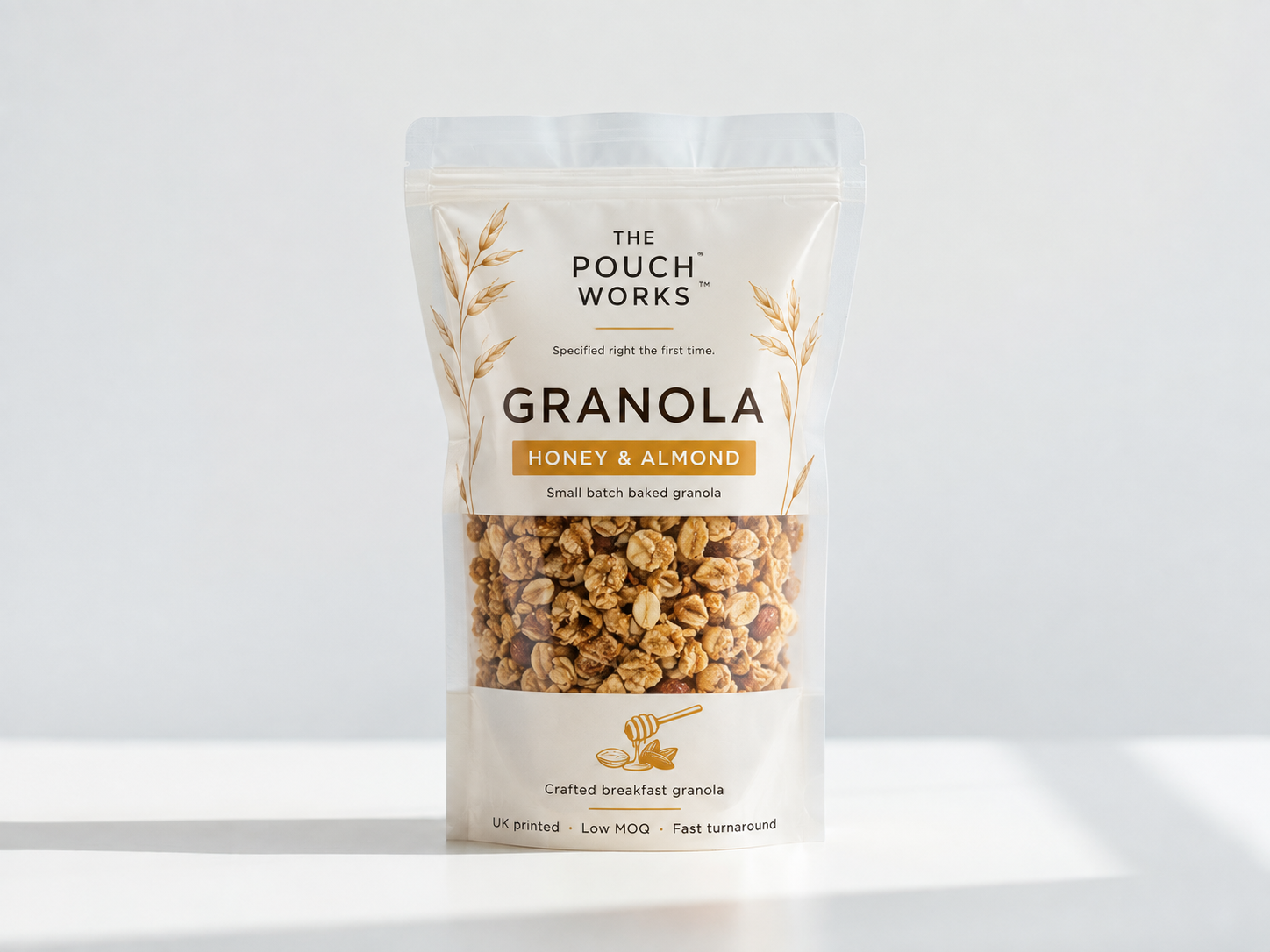

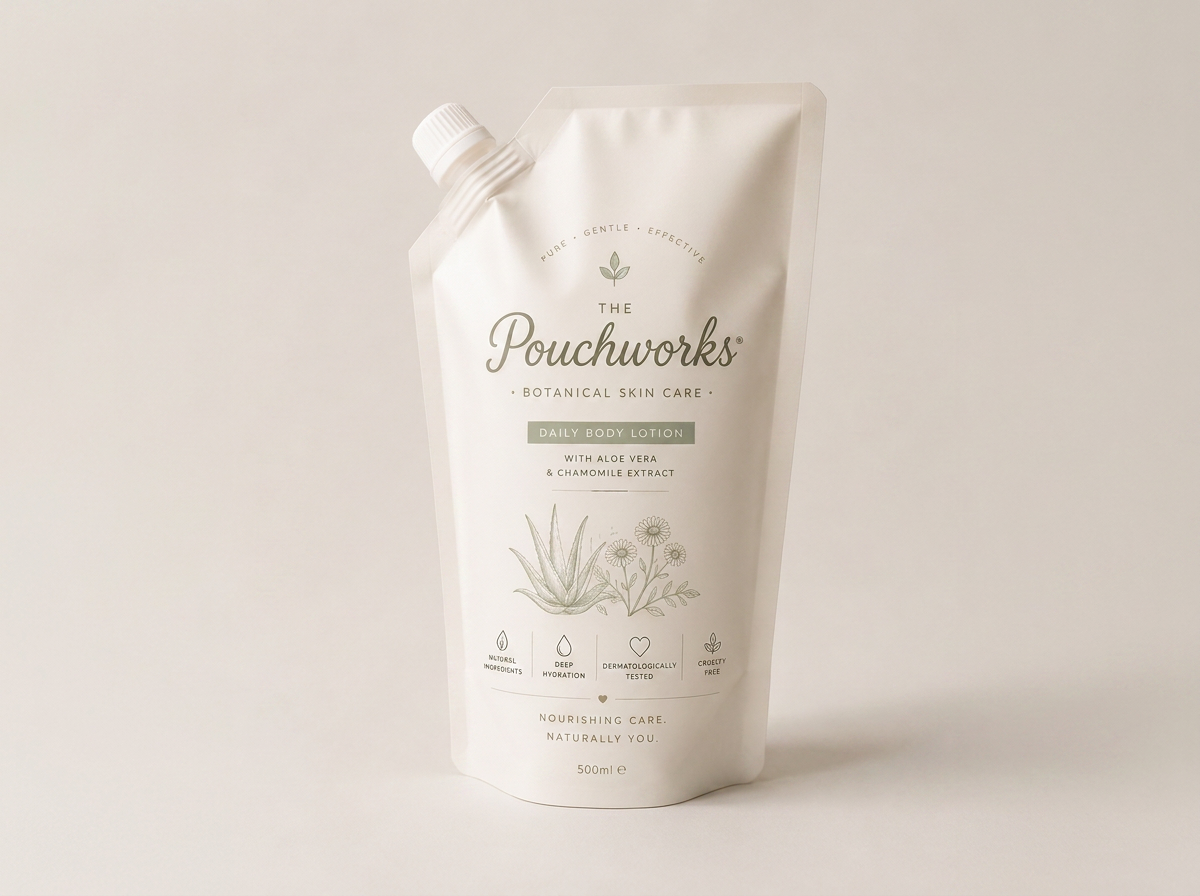
Who packs in this format
Related guides

Flat Pouches & Sachets — common questions
What is the difference between a flat pouch and a sachet?
They are the same construction — the word sachet is normally used for the smaller single-serve end of the range, roughly under 100 × 140mm. Both are three-side-seal flat bags with no gusset.
Can a flat pouch be resealable?
Yes. A zip can be added below the top seal on flat pouches from about 100mm wide upwards. Below that width the zip is fiddly to operate and we would usually advise against it.
Will a flat pouch fit through a letterbox?
Usually yes, if you keep the filled thickness under 25mm and the footprint within Royal Mail large-letter dimensions of 353 × 250mm. This is one of the main reasons sample programmes use flat pouches.
Are flat pouches cheaper than stand-up pouches?
At the same size, material and quantity, yes — typically noticeably cheaper, because there is less material per unit and one fewer converting step. The saving grows as quantity increases.